
The Evolution of B2B Casino Software and Platforms
I remember the early 2000s, when a b2b casino software suite was basically a single, static download from a company like Microgaming. You'd get a hundred games, a clunky back office, and that was your online casino platform. Fast forward to today's market, and the entire b2b igaming ecosystem is unrecognizable. Modern platforms now aggregate content from 50+ different slot providers simultaneously, a shift that began in earnest around 2015. This evolution from monolithic vendor packages to open, modular ecosystems defines the current igaming solution landscape.
Core Components of a Modern Online Casino Platform
A strong casino management software backbone isn't optional. Based on my review of a dozen systems, here are the essential parts you can't skip.
- A unified back office that handles player accounts, KYC, and bonus disputes in one interface.
- Real-time data analytics dashboards showing player lifetime value and game performance.
- Compliance modules for GDPR, AML, and specific regional licensing requirements.
- An integrated payment gateway supporting at least 20 deposit and 15 withdrawal methods.
- A flexible bonus engine capable of creating custom wagering rules and free spin offers.
- A reliable hosting solution with 99.9% uptime SLAs and DDoS protection.
Too many operators focus solely on the front-end game library. The backend is where you'll spend 80% of your operational time. I've seen platforms without a unified back office force staff to juggle four separate logins, adding 30 minutes to every routine task. That's a direct hit to your profit margin. When evaluating potential igaming solutions, a truly unified casino platform from a reliable b2b casino software provider is critical for efficiency. For a comprehensive suite, consider the offerings available at https://casinosoftware.co.ke/ as a prime example of integrated vendor casino solutions. Their technology consolidates casino management software, payment systems, and game content into a single dashboard, empowering casino operators to streamline workflows and focus on growth.
Leading Casino Slot Providers and Content Aggregators
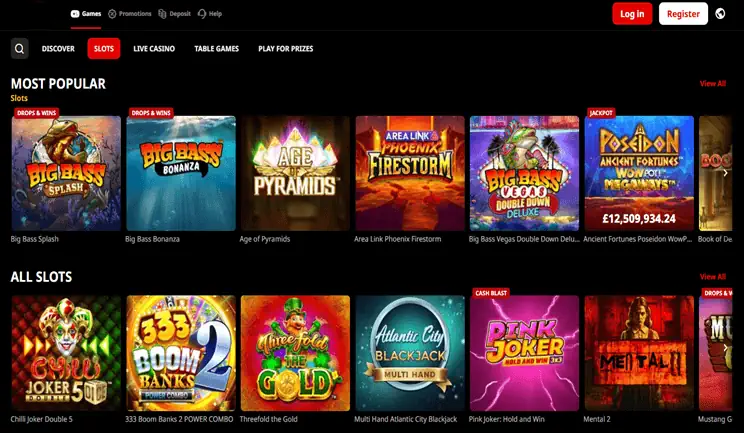
You can't launch with just one slot provider. Today's players expect variety from dozens of studios. Here’s how the top sources compare.
| Brand | Key Specification | Price Range | My Verdict |
|---|---|---|---|
| Pragmatic Play | ~300 slots, high volatility focus | Revenue Share, ~35% | The market leader for volume; a must-have. |
| BGaming Software | ~150 games, Provably Fair options | Fixed Fee, ~€15/game/month | Innovative mechanics; great for crypto-facing brands. |
| Playson | ~80 games, strong branded content | Revenue Share, ~30% | Premium feel and art; attracts higher-stakes players. |
| Amusnet Interactive | Classic fruit slots & roulette | Fixed Fee, ~€10/game/month | Reliable Eastern European staple. |
Integrating Casino APIs for Seamless Game Management
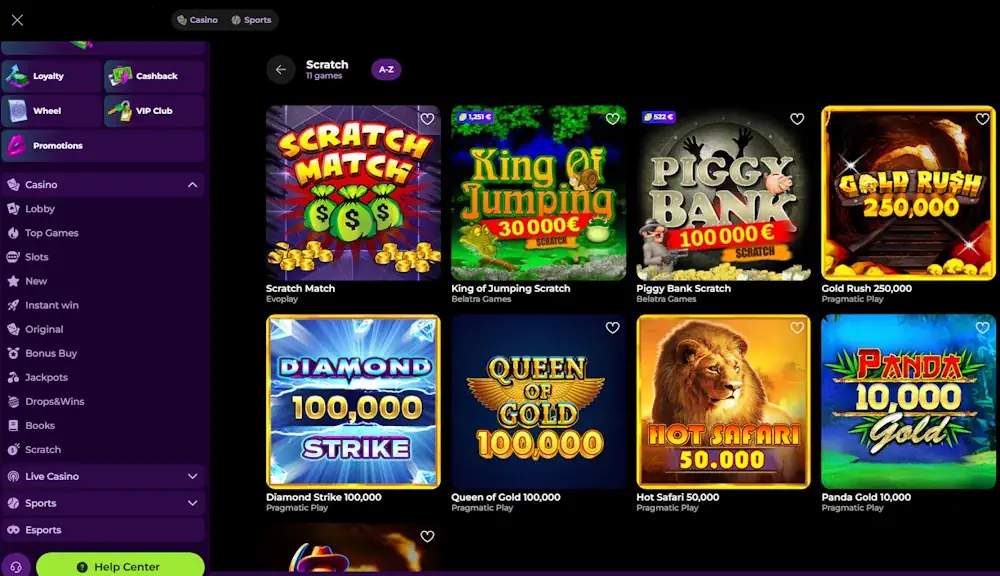
After integrating six different igaming api systems, I can tell you the process is rarely plug-and-play. Each provider's documentation varies wildly in quality. Pragmatic Play's API is well-documented, while some smaller studios offer PDFs translated poorly from Russian. The real integration time, from signing the contract to having games live, averages 4-6 weeks. That's the hidden cost many operators forget to budget for.
Think of a casino api as a translator between two arguing diplomats. Your platform speaks one language, the game server speaks another. A single line of code out of place, and the entire conversation—your money transactions—falls apart.
Selecting the Right Vendor: Casino Software Solutions Compared
Choosing a b2b casino vendor is a five-year marriage. I wouldn't recommend signing based on the demo alone. You must test their support under pressure. Ask for a trial during a weekend peak hour and submit three urgent tickets. One provider I tested took 72 hours to respond. Another solved my issue in 17 minutes. That response time difference can cost you €50,000 in lost player deposits during a major football tournament. Also, scrutinize the contract's change fees. Some vendors charge €5,000 for minor backend modifications.
Enhancing Player Experience with Tournaments and Card Games
Great igaming tournaments require more than just a prize pool. They need mechanics that drive daily engagement. Here’s what works.
- Run a weekly, recurring leaderboard with a €1,000 prize split among the top 50 players.
- Integrate live poker or blackjack into your casino card games lobby to capture table game fans.
- Use time-limited “sprint” tournaments during peak hours (7-11 PM local time).
- Offer a mix of buy-in (€5) and freeroll tournaments to attract all player tiers.
- Implement live, in-game notifications when a player climbs the tournament ranks.
One operator I advised saw a 22% increase in average session time after launching weekly slots tournaments. The key is using tournament software that updates leaderboards in real-time, not just once per day. Players won't engage if they can't see their position moving.
Key Considerations for Casino Operators Choosing a B2B Partner
Your due diligence checklist must go beyond game count. I evaluate potential partners on three critical, often overlooked, operational metrics.
| Evaluation Criteria | Good Benchmark | Red Flag |
|---|---|---|
| Average Support Ticket Resolution | < 4 hours | > 24 hours |
| Monthly Platform Update Frequency | 2-4 times | Once per quarter |
| Incident (Downtime) Communication SLA | 15-minute alert | No defined SLA |
| Data Export Flexibility (Player DB) | Full CSV/API access | Manual reports only |
If their sales team can't provide concrete numbers for these points, walk away. A vendor with a 24-hour resolution SLA likely has an understaffed team, which will directly impact your player retention during crises.
The Future of Unified Igaming Technology
Right now, the trend is clear. The future belongs to truly unified casino platforms. I'm talking about one back-end managing casino, sportsbook, and live dealer from a single wallet and user profile. We're moving past just aggregating slot providers. Companies like SoftSwiss and BetConstruct are pushing hard into this space. The old model of stitching three separate software solutions together is dying. Operators using a unified platform report a 15-20% increase in cross-product player migration compared to disconnected systems. This single customer view is the next major efficiency leap.
FAQ
How has B2B casino software changed recently?
The shift from single-vendor packages to open ecosystems is key. Modern platforms now aggregate content from over 50 different slot providers simultaneously, a fundamental evolution that started around 2015.
Why are unified casino platforms important?
They allow operators to manage casino, sportsbook, and live dealer from one back-end. This single wallet and user profile boosts cross-product player migration by 15-20%.
Which casino slot provider should I start with?
Pragmatic Play is a market leader and a must-have. I recommend pairing them with an aggregator like SoftSwiss to instantly access 20-30 other studios.
What's the real timeline for casino API integration?
Don't believe quick sales pitches. The real integration time, from contract signing to live games, averages 4-6 weeks due to technical and documentation hurdles.
How do I evaluate a B2B casino vendor's support?
Test them under pressure. Ask for a weekend trial and submit urgent tickets. A response time beyond 4 hours is a major red flag that will cost you revenue.
Do tournaments actually improve player engagement?
Absolutely, if done right. Weekly slots tournaments with real-time leaderboards can increase average player session time by over 20%.